As we move our money into the digital world and use apps to manage our wealth, the way we think about "safety" has to change. The "vault" where we keep our money is no longer a room made of steel and concrete in a downtown building—it is made of lines of computer code. In 2026, protecting that code is just as important as earning the money in the first place.
This month, financial search trends show a massive spike in two specific security types: Biometrics and Two-Factor Authentication (2FA). If you aren't using these yet, your digital assets are at risk. Here is how you can build a high-tech fortress around your hard-earned cash.
Biometric Security: The Key You Can’t Lose
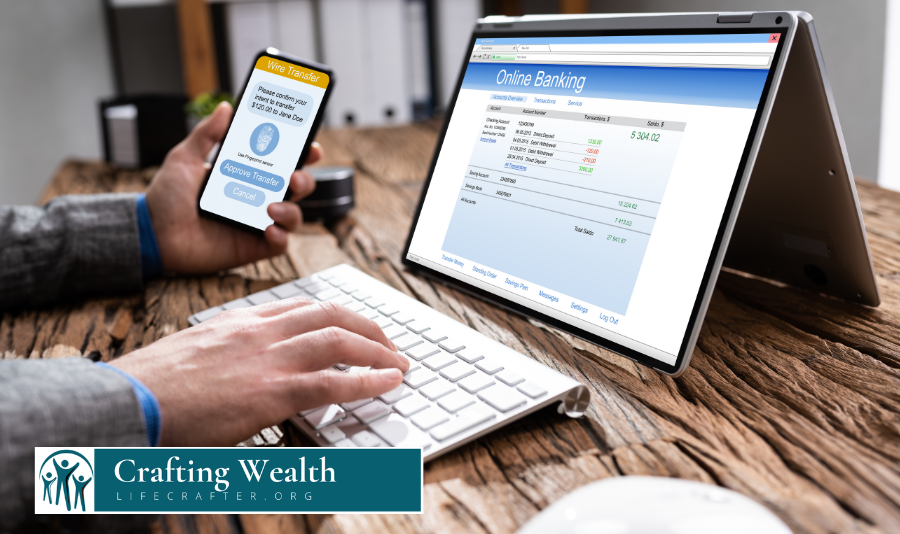
Biometric security uses your unique physical characteristics—like your fingerprint, facial scan, or iris—to unlock your financial apps.
The biggest weakness in most financial plans is a weak password. Passwords can be guessed by "brute force" software, stolen in massive company data breaches, or found on sticky notes. Your thumbprint or face, however, is nearly impossible to replicate. Biometrics provide a "frictionless" experience, meaning it’s the fastest way to log in while also being the most secure. It ensures that the person accessing your bank account is actually you, and not a hacker halfway across the world.
Two-Factor Authentication (2FA): The Second Lock
Think of your password as the fence around your house. It’s a good first step, but a determined intruder can still climb over it. Two-Factor Authentication (2FA) adds a front-door lock.
Even if a hacker manages to steal your password, 2FA requires a second piece of evidence before granting access. This is usually:
- A one-time code sent via SMS to your phone.
- A code generated by an "Authenticator" app (like Google or Microsoft Authenticator).
- A physical security key is plugged into your computer.
Because a thief would need both your digital password and your physical phone to get into your account, 2FA stops the vast majority of automated hacking attacks.
The Rise of Modern Scams
In 2026, scammers are getting more sophisticated. They use AI-powered "phishing" emails that look exactly like your bank’s official communications, or fake websites designed to trick you into typing in your credentials. Some even use "deepfake" audio to impersonate a bank representative on the phone.
By enabling these security features, you create a "defense-in-depth" strategy, as experts call it.
- The Fence: Your complex, unique password.
- The Front Door: Two-Factor Authentication.
- The Safe Inside: Biometric locks for specific transfers or sensitive settings.
Your 10-Minute Security Audit
Financial literacy isn't just about growing your money through investing; it’s about making sure that money stays yours. You wouldn't leave your front door wide open while you went to work, so don't leave your digital accounts unprotected.
Action Step: Take 10 minutes today to review the "Security" settings for your primary bank account, your investment app, and your email. If 2FA or Biometrics are available but "Off," turn them on. It could save you from years of financial headaches and identity theft down the road.
####
Larry Marvin
LifeCrafter Money $ense
Sources
Disclosure: This article was co-created with the help of AI technology. All facts and financial data have been human-verified for accuracy before publication.