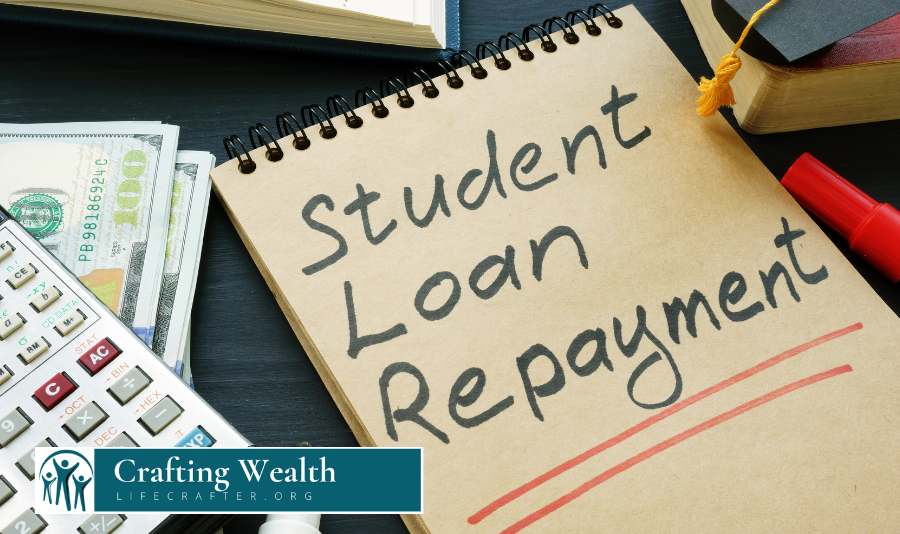
Major changes hit the federal student loan system this week, shifting how millions of Americans will pay for higher education. On July 1, 2026, new rules took effect under a federal law called the One Big Beautiful Bill Act. These changes alter how much money students and families can borrow and narrow the options available to repay those loans.
If you or your parents plan to take out new federal loans for college, these updates will directly impact your budget. Here is a simple breakdown of what is changing and why it matters to you.
New Limits on Borrowing Money
For years, parents could use the Parent PLUS loan program to borrow up to the total cost of their child’s college attendance. Starting this week, that open-ended borrowing is gone. The government has placed a strict cap on Parent PLUS loans. Parents can now only borrow up to $20,000 per year, with a lifetime limit of $65,000 per student.
Graduate students face tighter limits, too. The popular Graduate PLUS loan program has been completely eliminated for new borrowers. Now, standard graduate students cannot borrow more than $20,500 a year, with a lifetime cap of $100,000.
Students pursuing professional degrees—such as medical or law school—have a higher annual limit of $50,000 and a $200,000 lifetime cap. Just this week, the Education Department expanded the professional degree list to 29 programs, adding fields such as nursing and physician assistant programs following a recent court decision. However, the government has set a strict lifetime limit of $257,500 for any single borrower stacking undergraduate and graduate degrees.
Fewer Choices for Repayment
The way new borrowers repay their debt is also getting a massive overhaul. If you take out a new federal student loan starting this week, the old menu of repayment choices is gone. Instead, you will have only two plans to choose from.
The first option is a modified Standard Repayment Plan, which features fixed monthly payments spread over 10 to 25 years. The second option is a brand-new income-driven plan called the Repayment Assistance Plan, or RAP. RAP calculates your monthly payment based on how much money you actually earn, setting the bill between 1% and 10% of your income. If you still owe money after 30 years on the RAP plan, the remaining balance is forgiven. Older options, including the controversial SAVE plan, are being shut down or phased out entirely.
Good News for Auto-Pay and Career Schools
It is not all strict limits, though. The new rules offer a much bigger discount to borrowers who use auto-pay. The interest rate reduction for enrolling in automatic monthly payments just jumped from 0.25% up to a full 1% for qualifying loans.
Additionally, the new rules expand Pell Grants to cover short-term career and workforce training. Students studying trade programs like automotive mechanics, early childhood education, or certified nursing assistant can now receive federal grant money for programs lasting just 8 to 15 weeks.
####
Larry Marvin
LifeCrafter Foundation
Sources
Higher Education Highlights from the One Big Beautiful Bill Act - Dean Dorton - CPAs and Advisors https://deandorton.com/higher-education-highlights-from-the-one-big-beautiful-bill-act/
This post was co-created with AI assistance, then polished and perfected by a human editor.

His passion is teaching and equipping people with the financial knowledge they need to act in the best interest of their money and family.
He is passionate about his faith, has been married to his wife for 54+ years, and has three adult children and fourteen grandchildren.
Larry Marvin is the co-founder and Executive Director of LifeCrafter Foundation.
- The Foundation Stones of Financial Success; Part 4: A Supportive Partner - August 7, 2026
- The Foundation Stones of Financial Success- Part 3: Social Skills - July 31, 2026
- The Foundation Stones of Financial Success- Part 2: Discipline - July 24, 2026