
In our first post, we looked at how traditional savings accounts silently drain your purchasing power through low interest rates—and how moving your emergency cushion to a High-Yield Savings Account (HYSA) protects your cash from inflation while keeping it fully liquid and FDIC-insured.
The Concern: One Unexpected Bill Away from Financial Stress
For many middle-class families, everyday life feels like walking a tightrope. A sudden car repair, a medical bill, or a short gap between jobs can throw off a tight monthly budget. When life happens without warning, families often feel forced to use high-interest credit cards or to withdraw money from retirement accounts early.
Relying on credit cards creates a painful cycle of debt that drains your future earnings. On the other hand, withdrawing money from retirement accounts often incurs heavy tax penalties. To protect your household from these traps, you need a strategy to build an emergency fund before those unexpected bills arrive in your mailbox.
The Solution: Create a Dedicated Reserve to Build an Emergency Fund
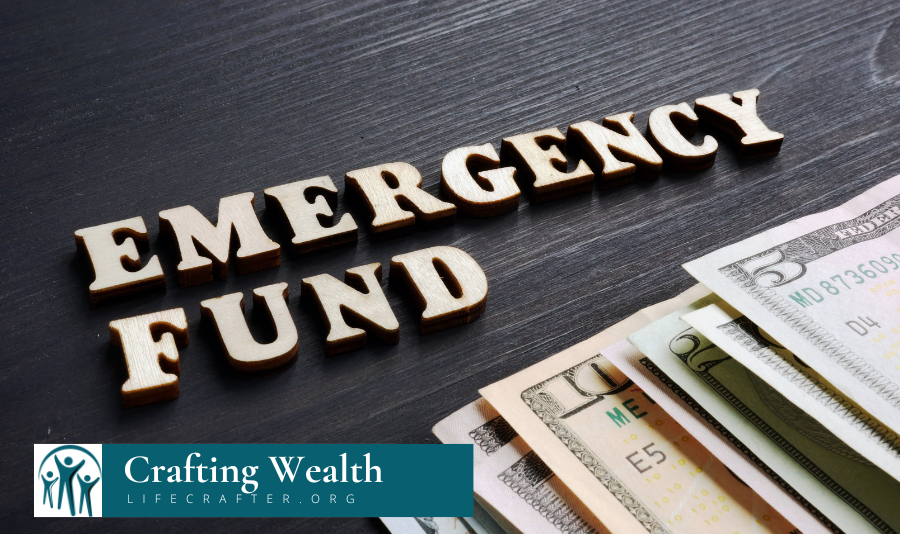
An emergency cash cushion is not an investment designed to make you rich. Instead, it acts as a personal insurance policy for your lifestyle. Having three to six months of essential living expenses saved in a separate account protects your hard-earned wealth from daily surprises.
Key rules to help you build an emergency fund correctly include:
- Focus on Basic Needs First: Calculate only what you need for survival. This includes rent or mortgage payments, utility bills, groceries, basic insurance, and required debt payments.
- Keep Your Money Separate: Store this reserve in a separate bank account away from your main checking account. This simple step keeps you from spending your cushion on daily impulse purchases.
- Prioritize Cash Liquidity: Keep your money in liquid accounts, such as high-yield savings or money market accounts. Avoid tying up your safety net in physical assets or investments that are hard to sell quickly.
Action Steps to Build Your Safety Net Without Stress
Saving three to six months of expenses can feel overwhelming at first. Fortunately, you do not have to reach that goal overnight. You can start small and grow your reserve step by step:
- Target $1,000 First: Start by saving a quick $1,000 starter buffer. This initial milestone will cover most common household emergencies.
- Review Monthly Expenses: Check your monthly subscriptions and non-essential spending. Cutting small leaks can easily free up an extra $50 to $100 each month.
- Save Income Windfalls: Put tax refunds, work bonuses, or extra cash from odd jobs straight into your emergency account.
When you take the time to build an emergency fund, you transform potential financial disasters into simple, manageable inconveniences.
Coming Up Next Week: Now that you know where to store your emergency funds, how do you make sure that money actually gets put away every single month? In Post 3, Put Your Savings on Autopilot to Defend Your Money, we’ll reveal how setting up simple, automated transfers eliminates the temptation of "lifestyle creep" and builds your cash shield effortlessly on payday. Don't miss it!
####
Larry Marvin
Life Crafter Money $ense
This post was co-created with AI assistance, then polished and perfected by a human editor.

His passion is teaching and equipping people with the financial knowledge they need to act in the best interest of their money and family.
He is passionate about his faith, has been married to his wife for 54+ years, and has three adult children and fourteen grandchildren.
Larry Marvin is the co-founder and Executive Director of LifeCrafter Foundation.
- Personal Wealth Protection Series: Part 2-Building an Unshakeable Emergency Fund in Unpredictable Times - September 18, 2026
- Building Your Financial Shield: Practical Wealth Protection for Everyday Families - September 11, 2026
- Safeguarding Your Savings:How FDIC Insurance Protects Your Money - September 4, 2026