

In Part 1, we learned that Supplemental Security Income (SSI) is a federal program designed to assist individuals with limited financial resources due to age, blindness, or disability. We also covered the main groups of people who might qualify. Now, let’s delve into the financial requirements you must meet and the specific steps to apply for this crucial support.
Understanding the Money Rules
These rules are not only important, but also crucial, as they determine your eligibility for SSI. In addition to being in one of the age, blindness, or disability groups, you also need to meet these financial criteria:
- Limited Income: This includes money from jobs, regular Social Security payments, pensions, or even financial help from friends or family. Not all income is counted, but there are strict limits. For example, in 2025, a single person who only works generally can’t earn more than about $2,019 per month. The exact limits depend on the source of your money and your living situation.
- Limited Resources: Resources are assets you own that can be converted into cash, such as money in bank accounts, stocks, or extra vehicles. For 2025, a single person can’t have valuable resources worth more than $2,000, and a couple can’t have more than $3,000. It’s essential to note that your home (where you reside) and one car typically don’t count towards these limits.
How to Apply for SSI Benefits
Applying for SSI can be a process, so it’s wise to start as soon as possible if you believe you might qualify. Here’s how to get started:
- Check If You Qualify: Although the information above provides a general idea, the SSA offers online tools and trained personnel who can help you determine if you’re likely to qualify for your specific situation. The SSA is responsible for determining your eligibility based on your financial and medical circumstances.
- Start Your Application:
- You can start the SSI application online on the SSA’s website if you are between 18 and 65, have never been married, are a U.S. citizen, and haven’t applied for SSI before.
- If you don’t meet those online requirements or prefer to talk to someone in person, don’t worry—help is available. You’ll need to call the Social Security Administration at 1-800-772-1213 (or TTY: 1-800-325-0778 if you are deaf or hard of hearing) to set up an appointment. A representative from the SSA, who is trained to assist with SSI applications, will guide you through the process and help you fill out the application.
- Gather Documents: The SSA will need documents to prove your age, citizenship or residency, income, resources, and medical information (if you’re applying due to disability or blindness). This may include your birth certificate, tax returns, bank statements, and medical records, such as a doctor’s diagnosis, treatment plan, or any medical tests you’ve undergone. They will tell you precisely what you need.
- Attend Appointments: You may have phone or in-person appointments to discuss your application and provide additional details. If you’re applying for disability, the SSA might even pay for you to have a medical exam or tests if they need more information.
SSI can be a lifeline for individuals and families facing significant financial challenges due to age, blindness, or disability. It’s a potential source of financial relief and support, offering a ray of hope in difficult times. If you believe you or someone you know might be eligible, reaching out to the Social Security Administration is the vital first step.
Sources:
Demystifying SSDI and SSI: Understanding the Benefits Breakdown. https://www.professionaladvocatesinc.com/post/understanding-the-difference-between-ssdi-and-ssi
LifeCrafter.org. (2025). Gemini. https://gemini.google.com/app/f84041c46c538967
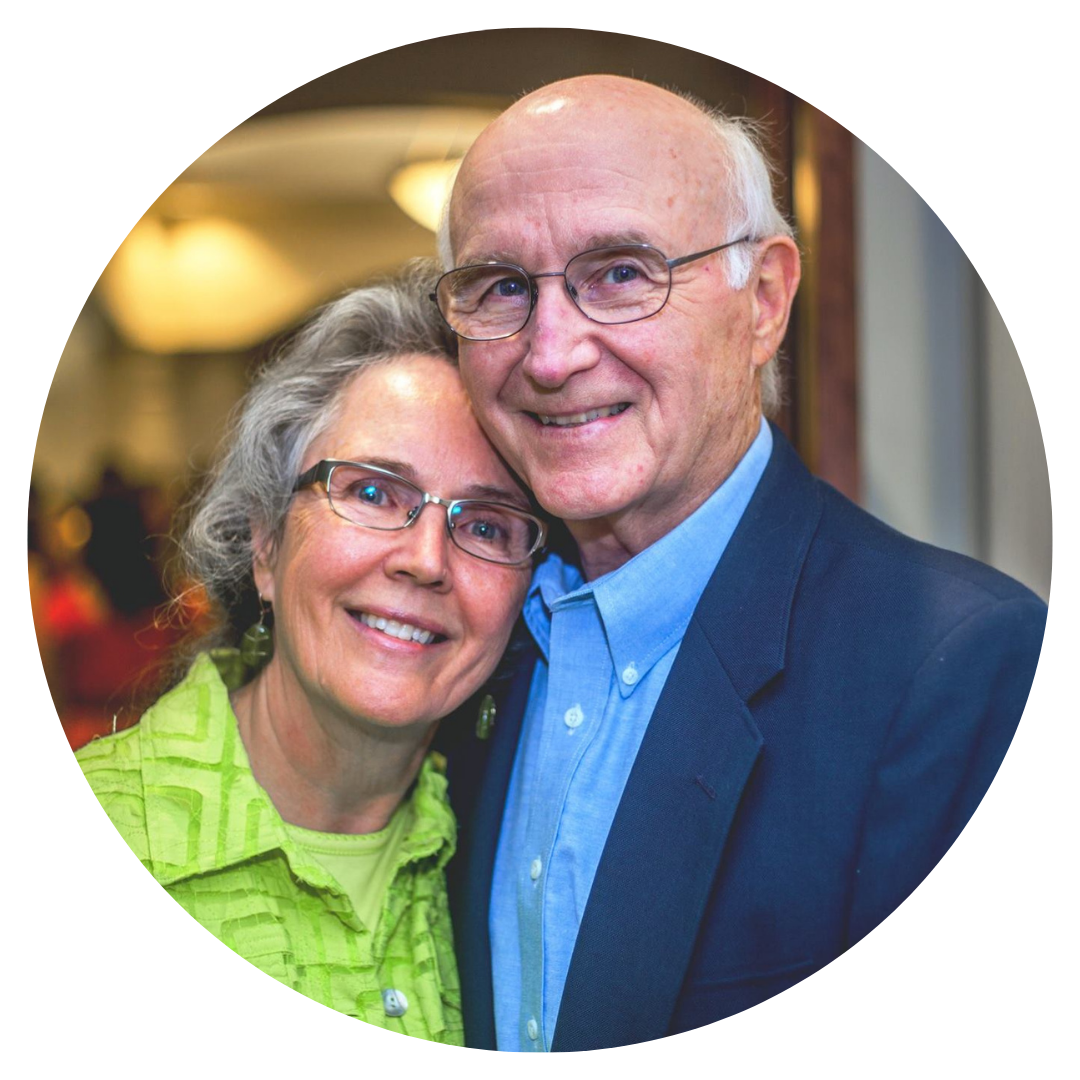
His passion is teaching and equipping people with the financial knowledge they need to act in the best interest of their money and family.
He is passionate about his faith, has been married to his wife for 54+ years, and has three adult children and fourteen grandchildren.
Larry Marvin is the co-founder and Executive Director of LifeCrafter Foundation.