
In an unpredictable world, being prepared for emergencies is no longer a matter of “if” but “when.” Whether it’s a natural disaster, a widespread power outage, or a localized crisis, having a solid plan can make all the difference. Are you indeed prepared?
Understanding the Importance of Preparedness:
Emergencies can strike without warning, disrupting essential services and jeopardizing your safety. From severe weather events to unexpected infrastructure failures, the potential for disruption is real. Being prepared means having the resources and knowledge to navigate these challenges and protect yourself and your loved ones.
Key Steps to Emergency Preparedness:
- Develop an Emergency Plan:
- Create a comprehensive plan that outlines what to do in various emergency scenarios.
- Identify safe meeting places for your family inside and outside your home.
- Establish communication protocols, including out-of-state contacts, in case local networks are down.
- Practice your plan regularly to ensure everyone knows their roles.
- Build an Emergency Kit:
- Assemble a kit with essential supplies to last at least 72 hours.
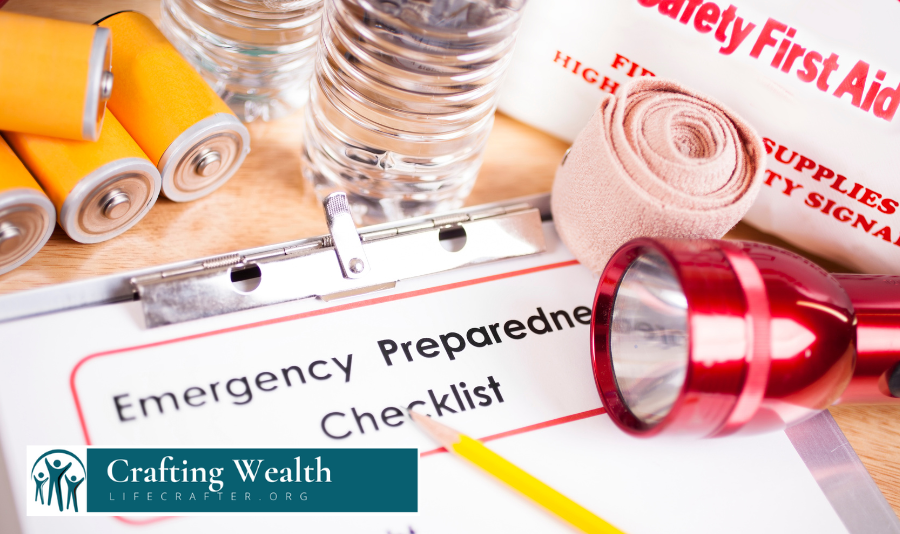
- Include non-perishable food, bottled water (one gallon per person daily), a first-aid kit, a flashlight, a battery-powered radio, and extra batteries.
- Don’t forget personal items like medications, hygiene products, and essential documents.
- Consider special needs, like pet supplies or baby items.
- Stay Informed:
- Monitor local news and weather reports for potential threats.
- Sign up for emergency alerts and notifications from local authorities.
- Familiarize yourself with evacuation routes and emergency shelters in your area.
- Secure Your Home:
- Reinforce windows and doors to withstand severe weather.
- Trim trees and remove potential hazards from your property.
- Know how to shut off utilities like gas, water, and electricity.
- Financial Preparedness:
- Keep a supply of cash on hand, as ATMs and credit card machines may be unavailable.
- Store critical financial documents in a waterproof and fireproof container.
- Consider insurance coverage for potential losses, such as flood or earthquake insurance.
- Community Involvement:
- Participate in community emergency preparedness programs.
- Learn basic first aid and CPR.
- Volunteer to help others in need during emergencies.
Being prepared is a continuous process. Review and update your emergency plan and supplies regularly. These steps can significantly increase your resilience and ensure your family’s safety when disaster strikes.
####
Larry Marvin
Life Crafter Money $ense
Sources
The Basics of Home Defense: How Firearms Can Help. https://topshelfammo.com/the-basics-of-home-defense-how-firearms-can-help/
10 Essential Tips for Preparing for Power Outages – The Prepper Report. https://theprepperreport.com/10-essential-tips-for-preparing-for-power-outages/
PREPARDNESS PLAN | mx-survival. https://www.mxsurvival.com/general-8https://www.mxsurvival.com/general-8
Life Crafter Foundation. (2025). Gemini. https://gemini.google.com/app

His passion is teaching and equipping people with the financial knowledge they need to act in the best interest of their money and family.
He is passionate about his faith, has been married to his wife for 54+ years, and has three adult children and fourteen grandchildren.
Larry Marvin is the co-founder and Executive Director of LifeCrafter Foundation.